Polaroid Virtual Reality Headset Review
We may earn a commission when you buy through links on this page. As an Amazon Associate I earn from qualifying purchases. How this works
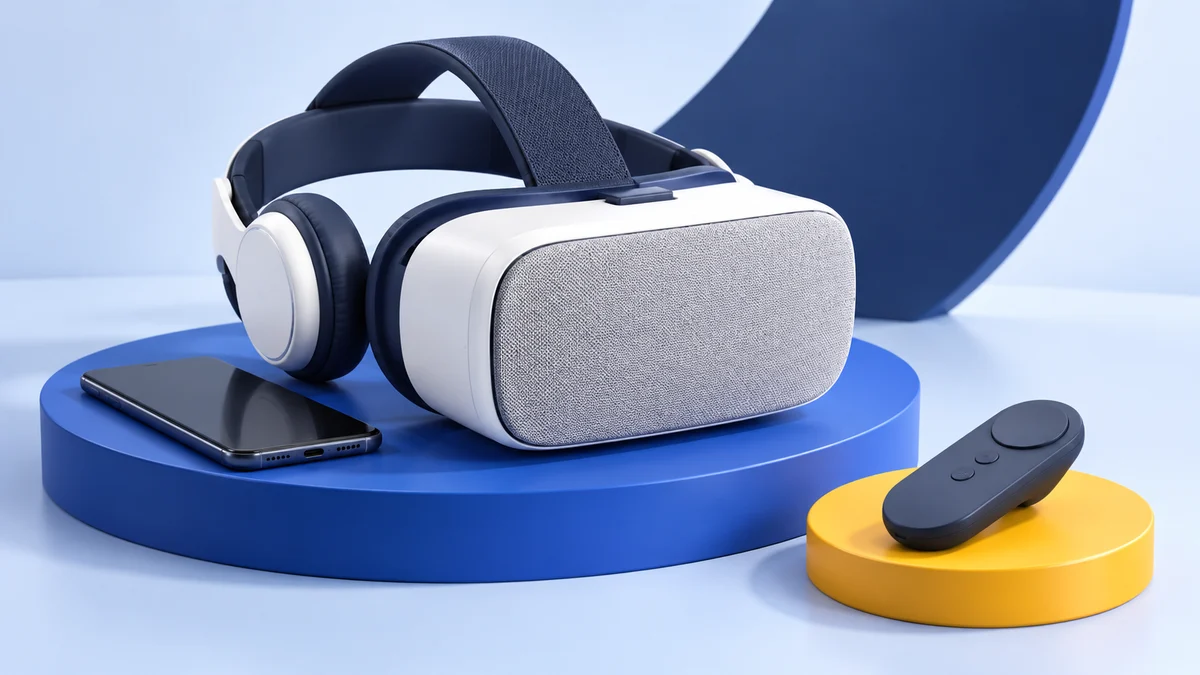
Consider the Polaroid viewer if your phone fits its stated 6-inch screen limit and you want phone-based video or Cardboard-style apps. Your phone supplies the screen and software, and the original reviewer found separate headphones necessary for clear audio. We haven't confirmed new stock. For VR games with tracked controllers, use a standalone headset rather than relying on this historical phone viewer.
Headset alternatives discussed in this guide

Meta Quest 3S
128 GB configuration
Standalone VRStandalone games with Fresnel lenses.
Check first: Check the app library, optical fit and return policy.
Check price on Amazon Paid link · Amazon
Meta Quest 3
512 GB configuration
Pancake opticsPancake lenses and a higher-resolution display than Quest 3S.
Check first: Compare the complete purchase, including any accessories.
Check price on Amazon Paid link · AmazonA Polaroid VR viewer makes sense only after checking your phone and the content you want to watch. Screen size can rule out a purchase before lens quality or padding matters. This review preserves Dustin Jermalowicz's original experience with the hardware.
Work through the buying checks and phone fit, then read his notes on video, audio and comfort. The dated alternatives section and FAQ explain the difference between another phone viewer and a standalone VR setup.
Product status and source notes
Is it still sold? We could not confirm it. Polaroid’s website lists only instant cameras, film, printers and accessories, with no VR headsets, and the Amazon listing linked in this review would not load for us, so we could not check its stock or price. Expect to find it as leftover stock or second-hand, if at all.
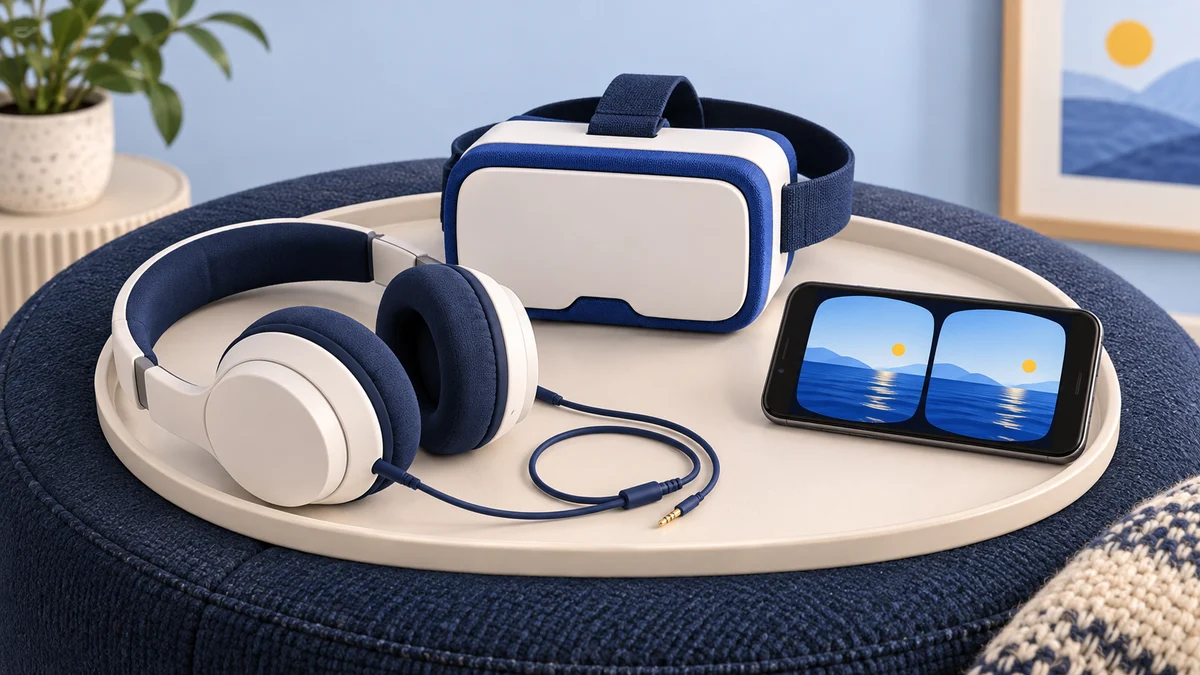
Is it still worth buying? Only if it is cheap and your phone fits. The headset takes phones up to 6 inches, and many current phones are bigger (see phone fit below).
What works with it today? Cardboard apps and 360-degree video. Google still offers the Cardboard app for Android and iOS and still updates the open-source Cardboard SDK (v1.35.0, released 31 August 2026), although it stopped selling Cardboard viewers in 2021 and Android 11 dropped Daydream (9to5Google). YouTube’s Cardboard mode works in the Android app only (YouTube Help).
What to consider instead: the Homido V2, which Homido still sells, or a standalone Meta Quest 3S, $349.99 in the US since 19 April 2026 (Meta). The Oculus Go recommended below is discontinued; see current alternatives.
Original review introduction
In the world of VR, headsets run the gamut from garbage to game changers.
I have worn more headsets than Lady Gaga has wigs, and I fancy myself a bit of an expert.
Generally speaking, the best VR headsets are those that cost hundreds of dollars. But what of those who want to simply plug their phones in and watch media? This is where portable VR headsets come in.
You can find these devices at your local drug store as well as at big-box retailers. Quality is often questionable.
Thus, I was surprised to see Polaroid (remember them?) jump into the headset game. Polaroid is known for their quality cameras, but they’ve lept into VR head-first.
I decided to buy one of their headsets and do a full Polaroid VR headset review, letting you know my exact thoughts on this budget device.
Things to Consider When Buying a Mobile VR Headset
Virtual reality is an interesting technology, as there are so many different ways to experience it. Mobile VR is great for its simplicity, but there are some things to be aware of.
I decided to give you a list of some things to think about before you put down some cash to buy one of these headsets. These are some of the most important aspects to consider:
- Smartphone quality - You’re going to need to use your smartphone to power a mobile headset. Because your phone’s screen is your VR screen, you’re going to want to make sure yours has a high enough resolution to look nice. Also, your phone needs to be somewhat recent to power the experiences.
- Android or iOS - The type of smartphone you have dictates your VR experience. iOS devices are more locked down than Androids in regard to apps, and there aren’t as many games available. I believe that Android phones have better VR experiences.
- Budget - There are many mobile VR headsets to choose from. You can pick up a cardboard box, or you can spend three figures on a higher-end device. At the end of the day though, these are all running the same experiences, and you’re really just paying for bells and whistles.
Presenting the Polaroid VR Headset
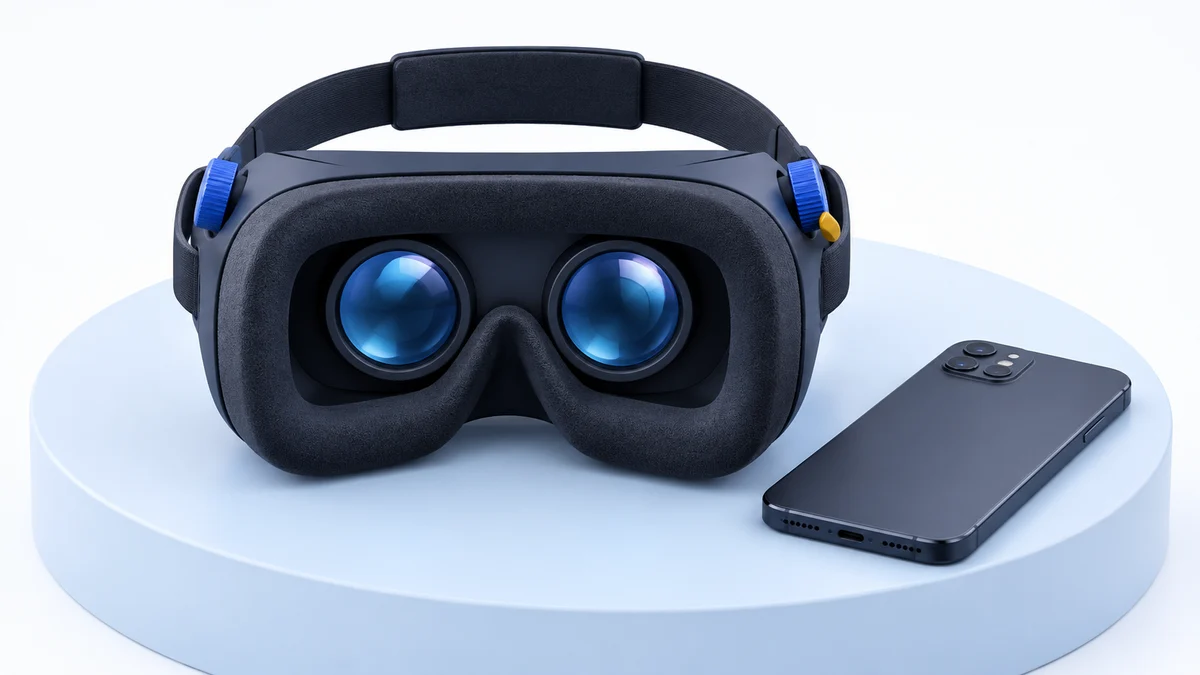
Polaroid’s VR Headset is a mobile piece of tech that sees you clamping your smartphone into it.
Coming in at 198 grams, the headset isn’t too heavy and your phone shouldn’t add too much heft.
I found the quality to be adequate. It’s better than the bottom of the barrel headsets, but not as nice as something like the Tzumi Dream Vision Pro.
The Polaroid can support phones up to 6 inches in size and secures around your head using a wraparound head strap.
That size limit rules out many current phones: Apple lists the iPhone 17 at 6.3 inches and the iPhone 17 Pro Max at 6.9 inches, and Samsung lists the Galaxy S26 Ultra at 6.9 inches. For Cardboard apps, Google’s setup guide asks for Android 4.1 or later and notes that phones without a gyroscope may show an incompatibility message; the iPhone app needs iOS 15 or later.
Pros
- Name brand technology
- Good build quality
- Comfortable head strap
Cons
- Poor ventilation for heat
- Small speaker holes
- Fogged up a bit for me
Features and Benefits
Video
Video for this device is dependent on the phone that you use. I use an iPhone XS and found the quality to be pretty high, but your mileage will vary.
The lenses in the headset are good quality, and they do a great job of enlarging the screen without too much distortion.
Audio
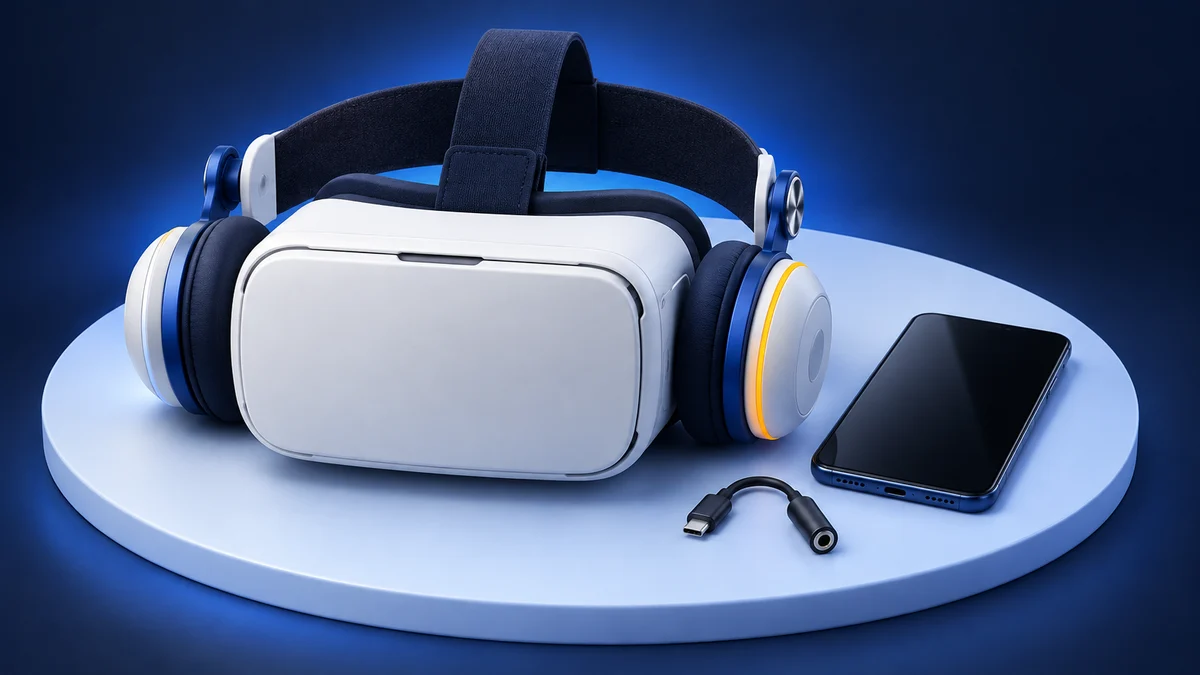
The audio for the Polaroid headset is subpar and is perhaps the worst aspect of the device. The holes for the speakers are too small.
This makes it difficult to hear the audio clearly, making headphones necessary.
Future iterations of these headsets should address this issue.
Build Quality
The build quality for the Polaroid VR headset is very good. I was surprised at how solid it felt, despite the low weight. Clearly, this is better than the garbage you can find at the dollar store. I wasn’t a big fan of the boxy look, but it is functional.
Comfort
I was shocked as to how comfortable this headset feels. The foam cover that holds the headset to your face is really nice and so is the head strap. It feels like the device is hugging my face!
I especially liked the back end of the strap, which cradles your head and helps distribute the weight. I had no issue using this headset for periods of up to 30 minutes at a time.
Alternatives to the Polaroid VR Headset
The Polaroid VR Headset is a decent choice, but there are some issues that may keep you from wanting to buy it. I’ve put together these alternatives that are also great mobile VR headsets.
Tzumi Dream Vision Pro
The Tzumi is a very good alternative to the Polaroid.
It features an anti-glare system and is ideal for those that wear prescription glasses. You can read my full review on the headset by clicking this link.
Similarities
- Good build quality
- Works with Android and iOS devices
- Excellent padding
Differences
- Not as durable as the Polaroid
- Built-in earbuds
- Has a magnetic control switch
View the listing on AmazonPaid link · Historical or unverified listing
Note: Tzumi’s website no longer lists any VR headsets, so the Dream Vision Pro is now a leftover-stock or second-hand option at best.
Homido V2 VR Headset
The Homido has been a popular VR headset for a long time.
I particularly enjoy the wide field of view along with the comfort of the device. The headset also doesn’t fog up, which was a problem for me with the Polaroid. Check out my full review here.
Similarities
- Large compatibility of devices
- High lens quality
- Similar audio quality
Differences
- Heavier than the Polaroid
- Higher field of view
- Ability to adjust more facets of the headset
Update: the V2 is still on Homido’s website. On 24 September 2026 its product page listed it at €49.99 and in stock, for Android and iOS phones from 4.5 to 6.5 inches, with a 100° field of view.
View the listing on AmazonPaid link · Historical or unverified listing
Oculus Go (Discontinued)
Okay, the Oculus Go isn’t exactly like the other devices here. I am recommending it though, as it is the best mobile VR style device that I’ve seen.
I have spent so much time in here that I basically live in it, and I think the device is worth the investment. I did a full Go review and you can read it here.
Similarities
- Comfortable
- Excellent build quality
- Name brand manufacturer
Differences
- Much higher end device
- Doesn’t require a phone
- Built in 3D audio
View the listing on AmazonPaid link · Historical or unverified listing
Note: the Oculus Go is no longer a current recommendation. Facebook (now Meta) ended Go sales in 2020, stopped accepting new Go apps and app updates after 4 December 2020, and provided bug fixes and security patches only through 2022. Meta did not release a direct Go successor; its standalone headsets are now the Quest line.
Current Alternatives
These are options we could confirm on sale in September 2026, from the makers’ own pages. Prices are the makers’ list prices.
| Option | Type | Price | What to know |
|---|---|---|---|
| Homido V2 | Phone viewer | €49.99 at Homido | Phones from 4.5 to 6.5 inches; 100° field of view |
| Meta Quest 3S | Standalone headset | From $349.99 (US) | 128 GB or 256 GB; 1832 x 1920 pixels per eye; no PC needed |
| Meta Quest 3 | Standalone headset | $599.99 (US) | 512 GB; 2064 x 2208 pixels per eye; pancake lenses |
A phone viewer such as the Homido V2 runs the same Cardboard apps as the Polaroid. The Quest headsets run their own apps without a phone in the headset and have full-colour passthrough cameras, according to Meta’s comparison page. The US prices come from Meta’s pricing update, effective 19 April 2026.
Conclusion
The Polaroid VR Headset isn’t a perfect device, but it is a good budget piece of tech.
I enjoyed the build quality and ability to consume media within it, but there are some areas that could be cleaned up.
Still, if you’re on a budget and looking for a headset to take on the go, you could certainly do worse than the Polaroid.
Note: we could not confirm that the Polaroid is still sold new (see the status box at the top). If you can’t find it, the Homido V2 is a phone viewer its maker still sells, and the Meta Quest 3S is the cheapest way into standalone VR from Meta.
Polaroid VR Headset FAQ
Is the Polaroid VR headset still sold?
We could not confirm it. As of September 2026, Polaroid’s own website lists no VR products, and the Amazon listing linked in this review would not load for us. Look for leftover stock or a second-hand unit, and compare the price with the Homido V2, which Homido still sells.
Which phones fit the Polaroid VR headset?
Phones with screens up to 6 inches. Many current phones are larger, including the 6.3-inch iPhone 17 and the 6.9-inch iPhone 17 Pro Max and Galaxy S26 Ultra, so check your phone’s screen size first.
Does the Polaroid VR headset work with an iPhone?
Yes, with Cardboard-compatible apps, as long as the iPhone’s screen is no larger than 6 inches. Google’s Cardboard app is on the App Store and needs iOS 15 or later, but YouTube’s Cardboard mode is not supported on iPhone and iPad, according to YouTube Help.
Can it run Meta Quest or Oculus apps?
No. The Polaroid is a phone viewer for Cardboard-style apps. Meta’s apps run on its own headsets, such as the Quest 3S and Quest 3.
Research behind this guide
Check the linked specifications and support documents, or read how we research. Original review experience stays attributed to its author.
View 15 sources
- Polaroid: official website (instant cameras, film, printers)
- Google AR & VR: Google Cardboard
- App Store: Google Cardboard
- Google Cardboard Help: Set up Google Cardboard (Android)
- GitHub: googlevr/cardboard releases
- YouTube Help: Watch VR180 and 360-degree videos with Cardboard
- 9to5Google: Google Store stops selling Cardboard VR headsets (3 March 2021)
- Apple: Compare iPhone models
- Samsung UK: Galaxy S26 Ultra
- Tzumi: official website
- Homido: Homido V2 product page
- Homido: official website
- Meta Quest Blog: An update on the evolution of the Oculus platform
- Meta: An update on Meta Quest pricing
- Meta: Compare Meta Quest headsets
Explore the related guides in VR headsets.