Vivitar Virtual Reality Headset Review
We may earn a commission when you buy through links on this page. As an Amazon Associate I earn from qualifying purchases. How this works
Consider the Vivitar VR-180 only as a basic viewer for a phone that physically fits and apps you can still run. The original listing covered phones up to 6 inches, and current stock is unconfirmed. It has no screen, built-in audio or input button. For your first purchase, compare available viewers that fit your phone before relying on this historical review.
Headset alternatives discussed in this guide

Meta Quest 3S
128 GB configuration
Standalone VRStandalone games with Fresnel lenses.
Check first: Check the app library, optical fit and return policy.
Check price on Amazon Paid link · AmazonThe Vivitar VR-180 uses your phone for both picture and sound. Before buying an old unit, check its tray dimensions and how you will control the intended app without a viewer button.
Dustin's original review covers lenses, headphone access, comfort and build. Use those impressions as historical context, then read current alternatives for a phone-viewer or standalone setup that suits your needs.
Product status and source notes
Is it still sold? We could not confirm it. Vivitar’s website lists cameras, drones, audio, smart home and toy products but no VR headsets, and the Amazon listing for the Vivitar VR-180 linked in this review would not load for us, so we could not check its stock or price. Expect to find it as leftover stock or second-hand, if at all.
Is it still usable? Yes, with the right phone. It is a passive headset with lenses and no electronics, so it works with any phone VR app. Google still offers the Cardboard app for Android and iOS and still updates the open-source Cardboard SDK (v1.35.0, released 31 August 2026), although it stopped selling Cardboard viewers in 2021 (9to5Google). YouTube’s Cardboard mode works in the Android app only (YouTube Help). The catch is size: the headset takes phones up to 6 inches, and Apple’s current single-screen iPhones measure 6.1 to 6.9 inches (Apple).
What to consider instead: a phone VR headset that takes phones up to about 7 inches, or a standalone Meta Quest 3S, $349.99 in the US since 19 April 2026 (Meta). The Oculus Go recommended below is discontinued; see current alternatives.
Original review introduction
I have a long history of using mobile VR headsets.
From the time they first started popping up, I’ve been a fan and I still use them to this day.
The issue though, is that a lot of these headsets are crap. In fact, finding a usable mobile headset is more of a challenge than finding a pair of trousers at a nudist resort!
I stumbled across the Vivitar Virtual Reality Headset, and I wanted to see how it holds up to the competition. This review will take an in-depth look at the device and let you know my exact thoughts.
Is this a great option, or more of the same crap that you’ll find at the drug store bargain bin?
Things to Consider Before Buying a Mobile VR Headset
Those looking to buy a mobile VR headset have some choices to make. There is a bevy of features that vary from device to device. I think that if you’re going to be buying one of these headsets, you should consider the following:
- Phone type - Are you using an iPhone or an Android smartphone? Believe it or not, the device you’re using does matter when it comes to VR. Generally speaking, Android phones have better compatibility with more features like controllers while iPhones are more locked down. Make sure that the device you’re considering offers the best compatibility with your phone.
- Screen size - The size of your phone’s screen also matters. Different devices can fit different screen sizes. Some cut off at 5.5 inches, while others can go up to 6 inches. Making sure that your phone will fit in your headset is vital. Most phones sold today have screens larger than 6 inches, so check this first.
- Audio - With VR, the audio is as important as the video. Audio puts you into the VR world and is vital in getting the most from your headset. Some headsets have built-in audio. Some have headphone jacks. Others have nothing. You’ll want to choose the option that best suits your needs.
The ideal buyer for a mobile VR headset is someone that is new to the technology and doesn’t want to spend a fortune. Mobile headsets are more budget-friendly than ones that use a powerful PC or game console.
If you want to see what this VR stuff is all about, then I recommend going with a mobile headset first. If you like it, then you can move onto a better piece of tech.
Presenting the Vivitar VR Headset
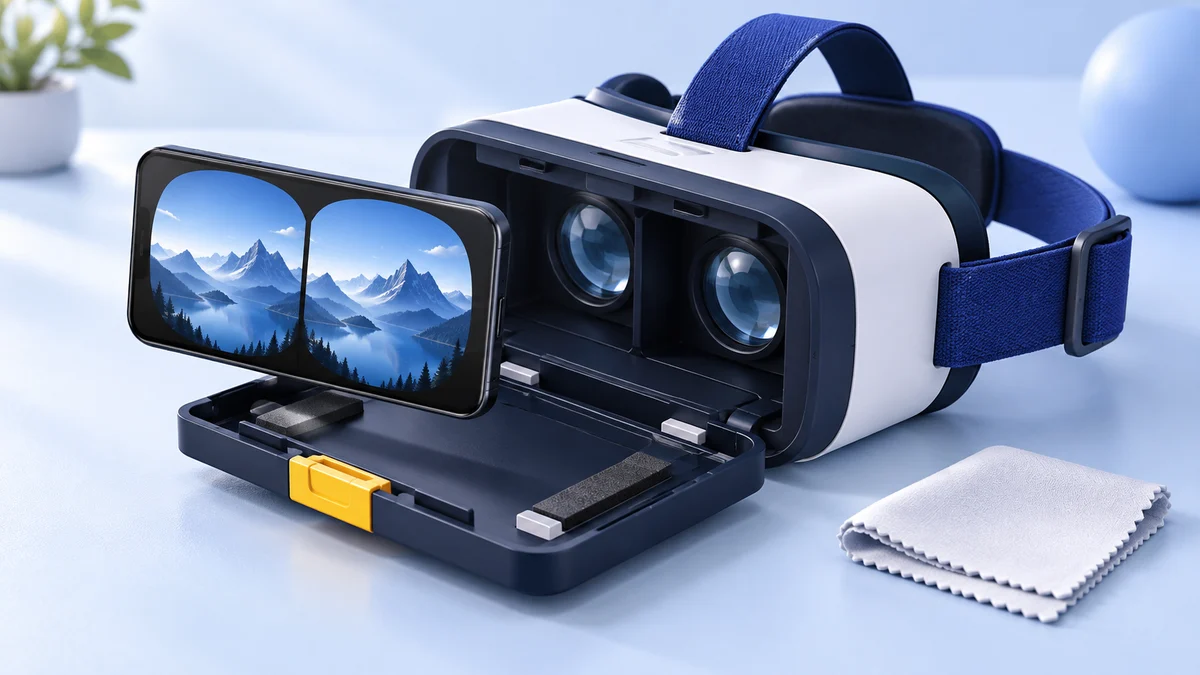
Vivitar’s VR Headset brings users the opportunity to use mobile VR by popping your smartphone into the device. The device is barebones and doesn’t have any extras that come with it.
This headset has support for phones up to six inches, and you can adjust the distance of the lenses to help compensate for differences in face shapes.
This device is meant for those looking for an entryway into VR. It’s certainly not as in-depth as an Oculus device, but it gets the job done.
Specifications
- Weight: 1.05 lbs
- Adjustable lenses
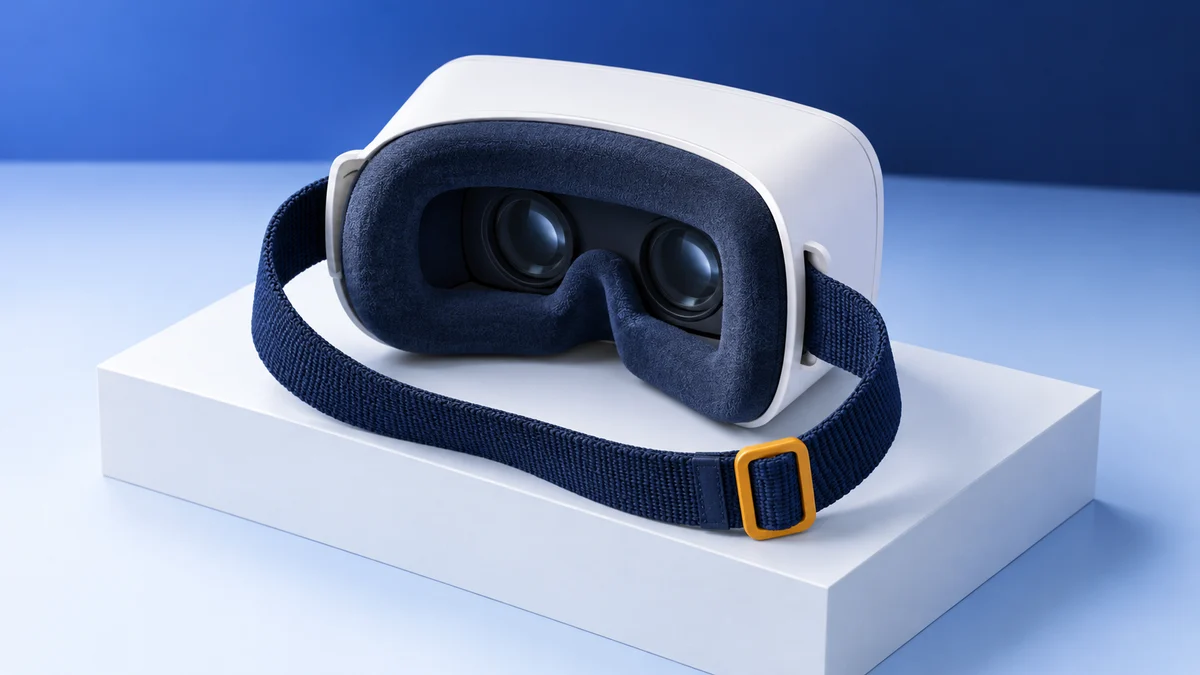
- Nylon head strap
- No physical button to interact with devices
Pros
- Great entryway to VR
- Comfortable head strap
- Sliding phone tray
Cons
- Somewhat heavy
- Lack of buttons for control
- Can’t support larger phones
View the listing on AmazonPaid link · Historical or unverified listing
Features and Benefits
The Vivitar VR Headset has some different areas that shine for it, and some others that dull things.
I have put together different sections to break down this headset, letting you know my thoughts on each one.
Visuals
The visual quality with this headset is adequate and is dependent on the phone you use.
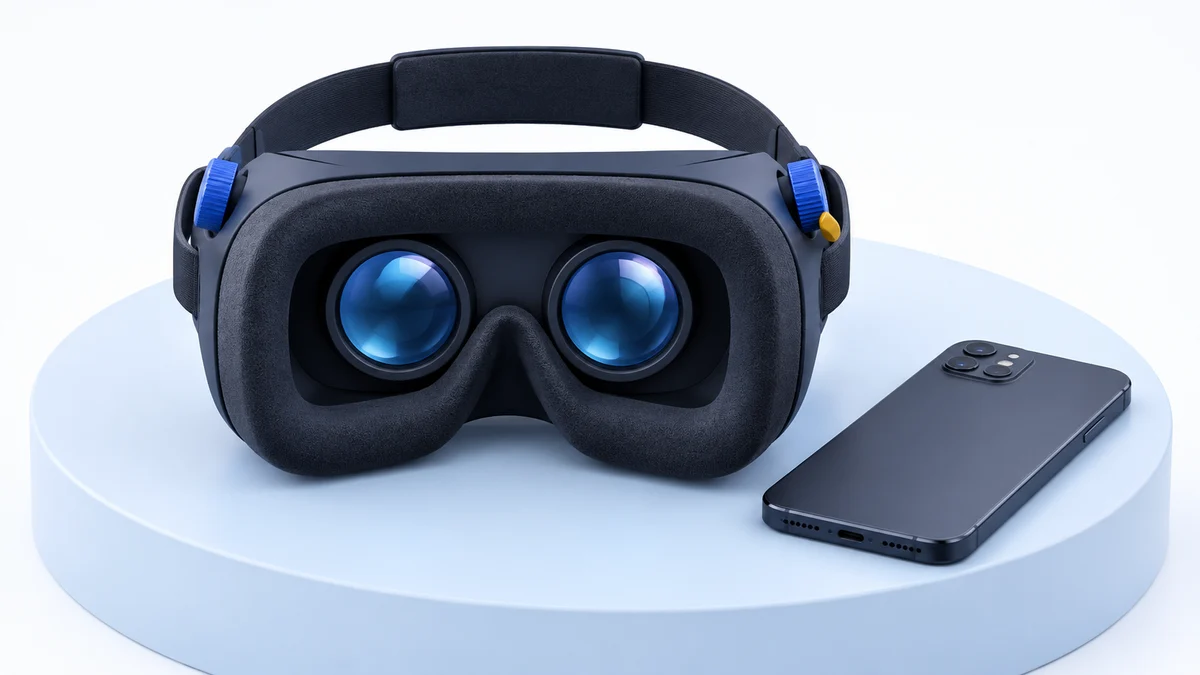
The lens quality is decent and does a good job of magnifying your phone’s screen. I do like the ability to adjust the lens length. It gives wider compatibility to more users.
Audio
Audio in the Vivitar headset is also dependent on your phone. There isn’t anything built in, and there are only holes in the tray. The best bet is to use headphones. I found this made the experience much better for me.
Comfort
Comfort is decent with the Vivitar VR Headset. The device is heavy, which makes it hard to wear for long periods. This is helped somewhat though by the comfortable headstrap and foam face piece.
If you’re going to use this for periods of 30 minutes or less, comfort shouldn’t be an issue for you.
Build Quality
This device feels solid. It doesn’t feel like garbage that you find at the dollar store, and instead feels like a premium product. The headset is bulky in terms of weight, but it feels like something you’d be happy to show to friends.
Alternatives to the Vivitar VR Headset
One nice thing about mobile VR headsets is that they all essentially work in the same way.
This means that there are many headsets that you can choose from for the same experience.
The following devices are good alternatives to the Vivitar VR Headset.
Polaroid VR Headset
I really enjoyed the Polaroid VR Headset when I reviewed it. The device is like the Vivitar headset.
I give the Polaroid the edge when it comes to comfort, but the Vivitar has better options for audio.
Similarities
- Name brand device
- Both use mobile devices
- Good lens quality
Differences
- More comfortable than Vivitar
- Device can fog up a bit
- Small speaker ports
Oculus Go
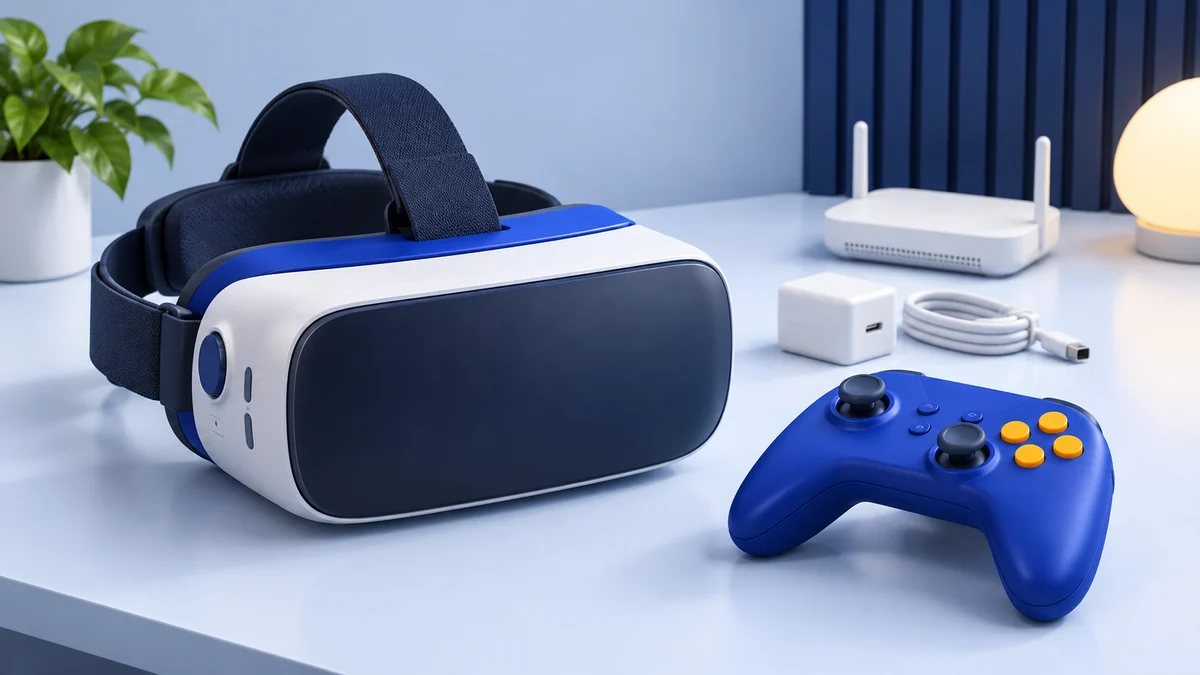
This is another device that I’ve reviewed. The Go is a standalone device that doesn’t use a mobile phone.
It’s a better VR headset than the Vivitar, but is also more expensive.
If you’re looking to go all-in with the tech, then this is probably the best option on this list.
Note: the Oculus Go is discontinued. Facebook (now Meta) ended sales in 2020, stopped accepting new Go apps and app updates in December 2020, and committed to bug fixes and security patches only through 2022 (Meta). We don’t recommend buying one today; see current alternatives.
Similarities
- Comfortable device
- High build quality
- 3 degrees of freedom
Differences
- Doesn’t need a mobile phone
- A much better VR experience
- Includes a controller
View the listing on AmazonPaid link · Historical or unverified listing
Current Alternatives to the Vivitar Headset
If you want phone VR, the most important spec is phone size. Look for a headset that accepts phones up to about 7 inches, so it fits a current 6.1 to 6.9-inch phone. Our guide to the best VR headsets under $50 covers current phone headsets.
If you want games with controllers and head tracking, the entry point today is a standalone headset. Meta set the US price of the Quest 3S at $349.99 for the 128 GB model from 19 April 2026 (Meta). That is much more than a phone headset costs. Our Meta Quest 3 vs Quest 3S comparison explains the difference between the two models.
Conclusion
The Vivitar VR Headset is a good entry level VR device. If you have a phone that is 6 inches in screen size or less, this comfortable and well-built headset is one you should consider. I love this device for media consumption, but game apps are limited.
Most new phones are now larger than 6 inches, so check your screen size before buying, and treat any Vivitar headset you find as leftover or second-hand stock.
If you’re interested in picking up this headset, you can find it by clicking the link below.
>> Check Vivitar VR headset <<
Research behind this guide
Check the linked specifications and support documents, or read how we research. Original review experience stays attributed to its author.
View 8 sources
- Vivitar: official website
- Google AR & VR: Google Cardboard
- GitHub: googlevr/cardboard releases
- YouTube Help: Watch VR180 and 360-degree videos with Cardboard
- 9to5Google: Google Store stops selling Cardboard VR headsets (3 March 2021)
- Apple: Compare iPhone models
- Meta Quest Blog: An update on the evolution of the Oculus platform
- Meta: An update on Meta Quest pricing
Explore the related guides in VR headsets.